







Systems that put surplus electricity to work
Increase revenue and reduce heating costs with intelligent building technology and custom engineering solutions.
Start your site assessmentSurplus electricity flows into the HASHLYNK system and becomes additional revenue and lower heating costs.


Our partner network
The potential
Surplus electricity is available. Its value is falling.
Operators of solar plants and other renewable energy sources face the economic challenges of falling feed-in tariffs, negative electricity prices and strict grid export limits.
- of PV electricity is fed into the grid as surplus
- 65%
- Source: E-Control (2024), EAG Monitoring Report 2024 / reporting year 2023.
- hours of negative electricity prices in Austria (2025)
- 455 h
- Source: Die Presse (16 December 2025), statement citing APG board member Gerhard Christiner.
HASHLYNK provides the solution:
Our systems turn your surplus electricity into computing power the moment it is generated, and with it into revenue, fully automated through Bitcoin mining.
Our systems
The right solution for every system size
Our product family meets a range of site requirements. From compact entry-level solutions to integrated systems for higher capacities and complex energy infrastructure.


Included in all systems
HashLink Automation Controller
Fully automatic surplus control – integrated into every system and also available separately.
Explore HashLink
Entry-level solution
SingleUnit
1–2 miners plus a HashLink Automation Controller – ideal for getting started.
Explore SingleUnit
Container solutions
A self-contained unit for ground-mounted solar parks, power plants and large generation sites.
Explore container solutions
Engineering solutions
Custom project planning, control cabinet construction, automation and software for special solutions in electricity utilisation and heat recovery.
Explore engineering solutions

More from every kWh
The benefits of our systems
Additional revenue from renewable energy
HASHLYNK systems make surplus electricity economically useful on site, instead of leaving it unused or exporting it below its value.
Maximise self-consumption
HASHLYNK systems integrate behind the meter into existing infrastructure, using energy where it is generated.
Reduce heating costs
The heat generated can be reused on site, creating additional value beyond electricity utilisation.
Applications
Where HASHLYNK systems make sense
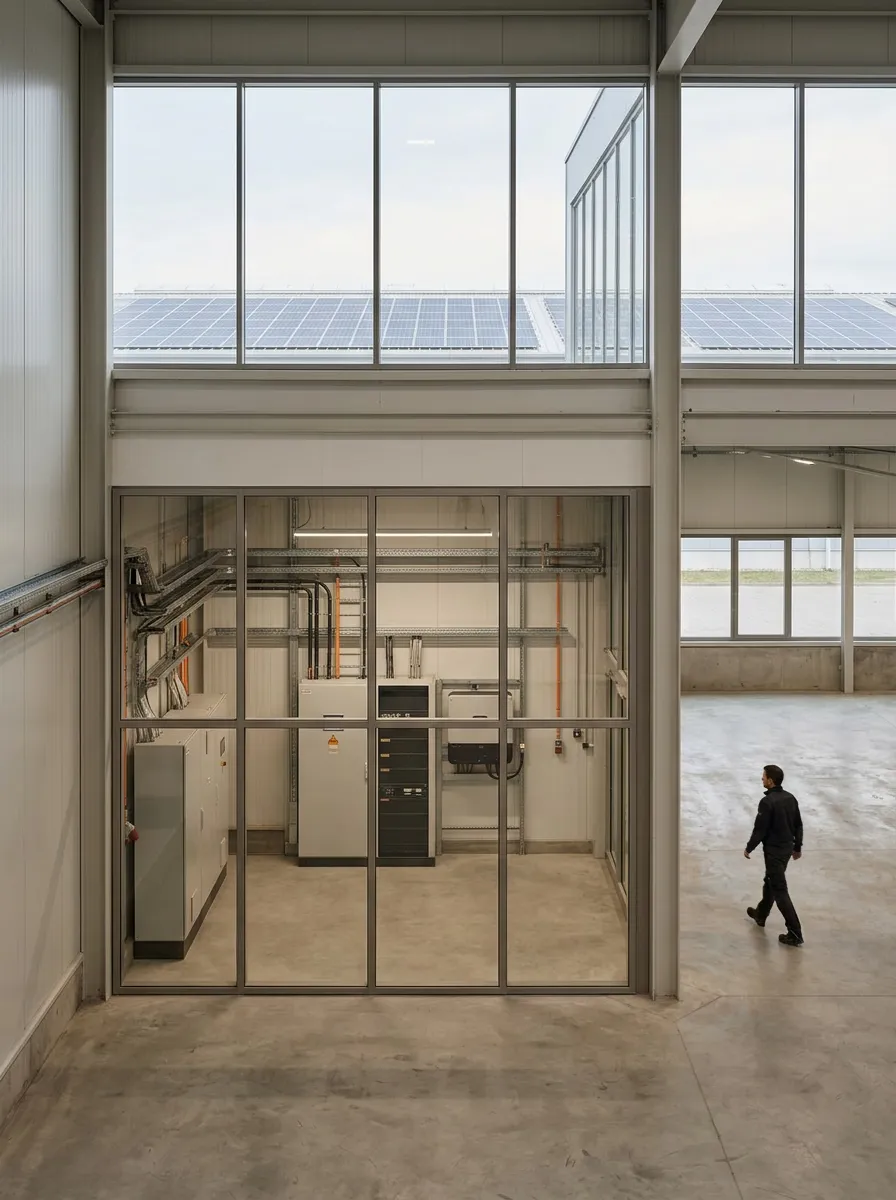
Commerce & industry
For sites with their own generation, regular surplus electricity and the goal of making better economic use of locally available energy.
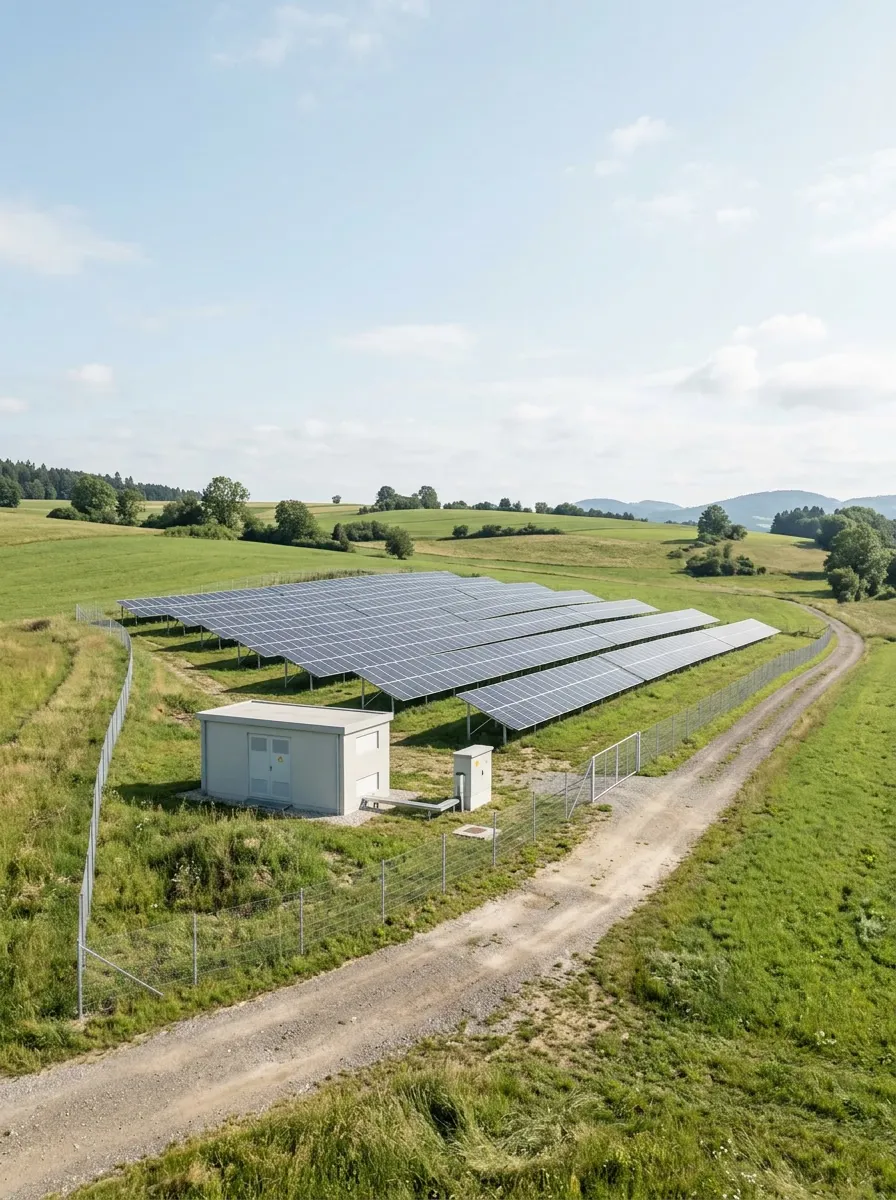
Energy producers
For plants where grid export becomes economically unattractive or additional utilisation options alongside electricity sales are relevant.

Project developers
For projects where electricity utilisation, heat recovery and site requirements should be planned together from the start.

Hospitality
For businesses with their own generation, year-round energy demand and the potential to integrate surplus electricity and heat into daily operations.

Agriculture
For farms with PV systems or other renewable energy sources, seasonal load profiles and a need to make better use of locally generated energy than simply exporting it to the grid.

Residential buildings
As an optimiser and add-on for PV systems, particularly where self-consumption can be increased and heat can support existing heating systems.


Especially worthwhile if …
Sites with grid export limits
For applications where additional locally generated energy can only be exported to a limited extent or on economically unattractive terms.
Sites with heat demand
For businesses that can use the heat generated in existing processes or building services alongside electricity utilisation.


Delivered so far
Surplus power we already put to use today
- Installations / pilot plants
- 6
- Installed capacity
- ~500 kW
- Controllers in use
- 17


Our partner network
















Your steps to a project
From the first assessment to day-to-day operation
Our project process brings together technical feasibility, economic viability and on-site integration from the start. This turns an initial idea into a robust project with a clear path to implementation.
Understand your site
Together, we review surplus profiles, heat demand, grid conditions and the operational requirements at your site.
Design the right system
Based on your site data, we develop a system configuration that is technically compatible and economically sound.
Plan the integration
We carefully prepare the electrical connection, controls, heat recovery and interfaces with your existing infrastructure.
Start operation
After commissioning, the system is fine-tuned to actual operating conditions, monitored and managed reliably in everyday use.
Who we are
About us
A young team from Carinthia with a clear goal: surplus electricity should deliver value instead of going to waste. From the first idea to day-to-day operation, we plan thoroughly, build to industrial standards and work honestly.

FAQ
Frequently asked questions
How do HASHLYNK systems create value?
Surplus electricity is converted into computing power and additional usable heat. This creates economic value from energy that would otherwise have limited uses.
How does the revenue model work?
Computing power is rewarded in Bitcoin. The most appropriate utilisation strategy depends on the site, the time horizon and the economic objectives.
What system size is suitable?
Plant size alone is not decisive. The surplus profile, heat demand and integration into existing infrastructure are particularly important.
What operating temperatures are possible?
Depending on the system design, high usable temperatures are possible, typically up to around 80 °C. The actual level depends on load control, hydraulics, flow rate and the connected heating infrastructure.
What happens when there is no demand for heat?
Heat rejection is included in the design for this situation. This keeps operation technically stable even when there is temporarily no active heat use.